


World Osteoporosis Day: When Strong Bones Become a Family Concern
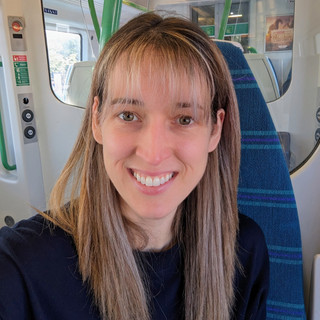

20 October 2026 | By Sara Cunnington, Occupational Therapist, Fen Mobility Centre
There are some health conditions that we hear about regularly but don't necessarily give much thought to until they affect someone close to us. Osteoporosis is one of them.
For me, it's a subject that crosses over between my professional and family life. As an Occupational Therapist, I've spent many years helping people manage changes in their mobility, recover from injuries and continue living independently. But osteoporosis is also something we're familiar with in our own family, as my mother-in-law lives with the condition.
It brings home the fact that behind every diagnosis is a real person, with their own routines, interests and plans for the future.
World Osteoporosis Day takes place on 20 October each year. It's an opportunity to talk about bone health, but I think it's equally important to talk about confidence, independence and the everyday things that can make living with osteoporosis a little easier.
What exactly is osteoporosis?
Osteoporosis is a condition that causes bones to become weaker and more fragile. Over time, bones lose density, which means they're more likely to break, sometimes following a relatively minor fall or injury.
The difficulty is that osteoporosis often develops without any obvious symptoms. Someone can feel perfectly well and have no idea that their bones have become weaker.
For many people, the first indication is a broken wrist, hip or bone in the spine.
It's particularly common as we get older, and women are at greater risk following the menopause. However, osteoporosis can affect men too, and it's certainly not something that only happens in very old age.
There are several factors that can increase someone's risk, including family history, certain medications, some medical conditions and a lack of regular physical activity.
A diagnosis can understandably be worrying, particularly when someone starts thinking about what might happen if they fall.
But having osteoporosis doesn't automatically mean someone will lose their independence or need to stop doing the things they enjoy.
There is a great deal that can be done to protect bone health, reduce the risk of fractures and make everyday life safer.
It's not just about broken bones
One of the things I've learnt through my work is that the physical effects of a condition are only part of the picture.
Sometimes it's the worry about what might happen that has the biggest impact on someone's daily life.
A person who has been told they have fragile bones may become understandably nervous about falling. Perhaps they stop going into the garden because the path is uneven. They might avoid going upstairs unnecessarily or feel reluctant to go shopping alone.
Before long, someone who was previously active can find themselves doing less and less.
It's a difficult balance.
We certainly don't want people taking unnecessary risks, particularly when a fall could result in a serious fracture. But we also don't want fear to take over.
Becoming less active can lead to weaker muscles, poorer balance and reduced confidence. Ironically, these changes can make falls more likely.
As an Occupational Therapist, I always try to look at the whole person rather than concentrating solely on their medical condition.
What do they enjoy doing? What are they finding difficult? What worries them? And perhaps most importantly, what would they like to continue doing for themselves?
Those questions often tell us far more about the support someone needs than their diagnosis alone.
When osteoporosis affects someone in your family
Having a family member with osteoporosis gives you another perspective.
It's easy to offer advice when you're looking at a situation professionally. It's rather different when you're talking about someone you know and care about.
Families naturally want to protect their loved ones. If someone has osteoporosis, it's tempting to suggest they stop doing certain activities, avoid particular situations or ask for help more often.
Those suggestions generally come from a good place.
But we also have to remember that people want to remain in control of their own lives.
Nobody particularly enjoys being told what they should and shouldn't do, especially when they've managed perfectly well for decades.
For me, the important thing is to have conversations rather than make assumptions.
Instead of saying, "You shouldn't be doing that anymore," it can be much more helpful to ask, "Is there anything about that activity you're finding more difficult?"
Sometimes the answer is no, and that's absolutely fine.
Other times, it opens the door to a conversation about something that has been bothering them for a while.
The aim isn't to wrap someone in cotton wool. It's to help them carry on living their life, with sensible precautions where they're needed.
Why preventing falls matters so much
We talk about falls prevention quite a lot at Fen Mobility Centre, and there's a good reason for that.
A fall can be upsetting for anyone, but for someone with osteoporosis, the consequences can be considerably more serious.
A relatively minor accident might result in a fracture that requires hospital treatment, rehabilitation or a lengthy period of recovery.
Hip fractures, in particular, can have a significant effect on mobility and independence.
And even when someone makes a good physical recovery, their confidence may take longer to return.
I've worked with people who were perfectly capable of walking around their homes but became frightened of doing so after a fall.
That loss of confidence is very real and shouldn't be dismissed.
The encouraging thing is that there are plenty of practical ways to reduce the likelihood of falling.
Many don't involve expensive equipment or major changes to someone's home.
Often, it's simply a case of looking at familiar surroundings with fresh eyes.
Take another look around the home
Most of us know our own homes so well that we stop noticing potential hazards.
That loose rug in the hallway has been there for years. The extension lead running behind the sofa doesn't seem particularly dangerous. The bathroom floor has always been a little slippery.
But when someone has fragile bones, those small things deserve more attention.
I would always start with the places someone uses most frequently.
The bathroom
Bathrooms are one of the first areas I look at when considering someone's safety at home.
Wet floors, awkward movements and stepping in and out of a bath can all increase the risk of falling.
A properly positioned grab rail can provide useful support, particularly when getting in and out of the shower.
For some people, a shower stool or seat may make washing less tiring and more comfortable.
Non-slip flooring or suitable slip-resistant surfaces can also help, although it's important that any mats are secure and don't introduce another trip hazard.
If someone is finding it difficult to get on and off the toilet, a toilet frame or appropriately selected raised toilet seat might be worth considering.
However, these products need to suit the individual. Something that works well for one person may be completely unsuitable for another.
The bedroom
Getting out of bed during the night is another situation worth thinking about.
People may be sleepy, the room might be dark and there can be a temptation to rush to the bathroom.
Good lighting is a simple starting point. A night light or motion-activated light can make a surprising difference.
The height of the bed matters too.
If a bed is too low, standing up can require considerable effort. If it's too high, someone may struggle to place their feet securely on the floor.
An adjustable bed can sometimes help with positioning and transfers, although it's important to choose the right type and make sure it meets the person's needs.
And of course, keeping the route between the bed and bathroom clear is essential.
The living room
We spend a great deal of time sitting, so it's worth considering how easy it is to get in and out of our favourite chair.
Very low, soft chairs can be particularly difficult for someone with reduced strength or balance.
A chair with a supportive seat, suitable height and sturdy armrests can make standing much easier.
For some people, a riser recliner may be appropriate, particularly if they struggle to stand safely from a conventional chair.
But I always encourage people to try different chairs before making a decision.
The right chair should support good posture, be comfortable and allow someone to stand as independently as possible.
It's not simply a question of choosing the biggest or most expensive model.
What about walking aids?
This is something I'm often asked about.
If someone has osteoporosis, should they automatically start using a walking stick or frame?
Not necessarily.
Osteoporosis itself doesn't mean someone needs a walking aid.
However, if they have problems with balance, pain, weakness or confidence, an appropriate walking aid may be helpful.
The important word here is appropriate.
A walking stick that's the wrong height can affect posture and balance. A walking frame that isn't suited to the person or their home can create more difficulties than it solves.
I've seen plenty of people using equipment they've borrowed from a friend or relative, often with the best intentions.
Unfortunately, what suited one person may not suit another.
If you're considering a walking aid, it's worth getting professional advice about the type, size and correct way to use it.
Sometimes a small adjustment is all that's needed.
Staying active is important
When someone has osteoporosis, it can seem sensible to avoid physical activity in case they injure themselves. In reality, suitable exercise is one of the most important things people can do to support their bone health.
Bones respond to activity, and regular movement also helps maintain muscle strength, balance and coordination.
Walking is a good example of a weight-bearing activity that many people can enjoy.
Exercises designed to improve strength and balance can be particularly valuable, especially for older adults.
Of course, the type of exercise needs to be appropriate.
Someone who has experienced spinal fractures or has severe osteoporosis may need to avoid certain movements, particularly activities involving excessive bending, twisting or high impact.
If you've been diagnosed with osteoporosis, it's sensible to discuss a new exercise programme with your GP, physiotherapist or another suitably qualified professional.
The aim is to find activities that are safe, enjoyable and realistic.
There's little benefit in recommending an elaborate exercise routine that someone has no intention of continuing.
A manageable activity that becomes part of everyday life is often much more useful.
And remember, maintaining confidence in movement is important too.
Looking after your bones through diet
Although my professional focus is on helping people manage everyday activities, it's impossible to discuss osteoporosis without mentioning nutrition.
Calcium and vitamin D are particularly important for bone health.
Calcium helps maintain strong bones, while vitamin D helps the body absorb calcium properly.
Good sources of calcium include milk, yoghurt, cheese, certain green vegetables and fortified foods.
Vitamin D can come from sunlight, food and supplements. In the UK, the NHS recommends that people consider taking a daily vitamin D supplement during autumn and winter.
Someone with osteoporosis may have different nutritional requirements, so it's worth discussing this with their GP or healthcare team.
There are also medications available that can help strengthen bones or reduce the risk of fractures.
If you've been prescribed treatment, it's important to follow the advice you've been given and raise any concerns with your doctor or pharmacist.
Osteoporosis is a medical condition that deserves proper assessment and treatment, not something that should be managed through equipment or lifestyle changes alone.
Don't forget footwear and eyesight
Two things that are sometimes overlooked when discussing falls prevention are footwear and vision.
Poorly fitting shoes, worn soles and loose slippers can all contribute to trips and falls.
I generally encourage people to choose footwear that fits securely, has a suitable grip and provides adequate support.
Slippers deserve particular attention because they're often worn for long periods at home.
It's also worth keeping up with routine eye examinations.
Changes in vision can make it harder to judge steps, spot obstacles or navigate unfamiliar surroundings.
Good lighting, particularly on stairs and in hallways, can help too.
These are relatively straightforward things to address, but together they can make a meaningful difference.
When someone has already had a fracture
A fracture can be a significant setback, particularly for an older person.
Depending on the injury, someone may need a period of rehabilitation, changes to their home or temporary support with everyday activities.
This is where Occupational Therapy can be particularly helpful.
An Occupational Therapist looks at how someone manages the practical tasks that make up daily life, such as washing, dressing, preparing meals and moving safely around their home.
Following a fracture, there may be simple ways to make these activities easier while recovery takes place.
For example, someone recovering from a wrist fracture may struggle with dressing, food preparation or opening containers.
A person recovering from a hip fracture may need advice about seating, toilet height, bathing and getting in and out of bed.
The support required will depend on the injury, the person's abilities and the guidance provided by their healthcare team.
It's also important that anyone who has experienced a fracture following a relatively minor fall receives appropriate assessment for osteoporosis.
Preventing another fracture should be part of the conversation.
Supporting someone without taking over
This is probably one of the most important messages I'd like to share for World Osteoporosis Day.
When someone we love has a health condition, we naturally want to help.
We might offer to do the shopping, carry the laundry, make the meals or take over jobs around the house. Sometimes that help is genuinely needed and appreciated.
But sometimes, without meaning to, we can start taking away activities that someone is still perfectly capable of doing.
Independence is about more than physical ability. It's also about confidence, choice and having a sense of purpose.
For one person, independence might mean continuing to walk to the local shop.
For another, it might be cooking Sunday lunch, tending to their garden or simply being able to get up from their favourite chair without assistance.
These things matter.
As an Occupational Therapist, I believe we should always look for ways to help people continue doing what matters to them, rather than immediately deciding they should stop.
That might involve adapting an activity, changing the environment, introducing a suitable piece of equipment or simply allowing a little more time.
And sometimes it means accepting that a person understands the risks and wants to make their own decisions.
Finding the right balance isn't always easy, particularly within families.
But respecting someone's independence is an important part of supporting their wellbeing.
When should you ask for help?
If you or someone close to you has osteoporosis, there are a few situations where I would encourage seeking further advice.
If you've noticed a change in balance, experienced a fall, developed new difficulties with everyday activities or started avoiding things because you're worried about falling, it's worth speaking to a healthcare professional.
Your GP can advise about osteoporosis assessment and treatment, while a physiotherapist may be able to help with strength, balance and movement.
An Occupational Therapist can look at how you're managing at home and whether any changes might make daily activities safer or easier.
You don't have to wait until something goes wrong.
In fact, making sensible adjustments before a fall or injury happens is often much better than trying to deal with the consequences afterwards.
A final thought for World Osteoporosis Day
Having osteoporosis in our family is a reminder that health conditions don't just affect the person receiving the diagnosis.
They can influence how families think about safety, independence and the future.
But I don't believe osteoporosis should define someone or automatically limit what they can achieve.
With appropriate medical treatment, regular suitable activity, a safer home environment and the right support when it's needed, many people with osteoporosis can continue enjoying active, fulfilling lives.
If there's one thing I'd encourage people to do this World Osteoporosis Day, it's to have a conversation. Perhaps with a parent, a grandparent, a partner or even your own GP.
Talk about bone health. Talk about falls. Ask whether there's anything becoming more difficult at home.
And most importantly, listen to what the person actually wants.
Sometimes the most helpful thing we can do is make a small change that allows someone to carry on doing something they've always enjoyed.
Sara Cunnington
Occupational Therapist
Fen Mobility Centre, Ely
Helping people maintain their independence, confidence and quality of life.


Comments